
This page contains affiliate links to Amazon. If you buy through them, I may earn a small commission at no extra cost to you. More
Small birds, flowers, a branch of camellia. Birds show up a lot in Japanese ceramics.
The style I like most is Kutani ware. It's porcelain from Ishikawa, in western Japan, known for bright colors and fine brushwork.
First, the one bowl I actually use. Then a few other bird pieces I picked.
The bowl I use
I use this · Kutani ware, Seikou Kiln, 5.5-sun bowl with mejiro birds (SK-185)
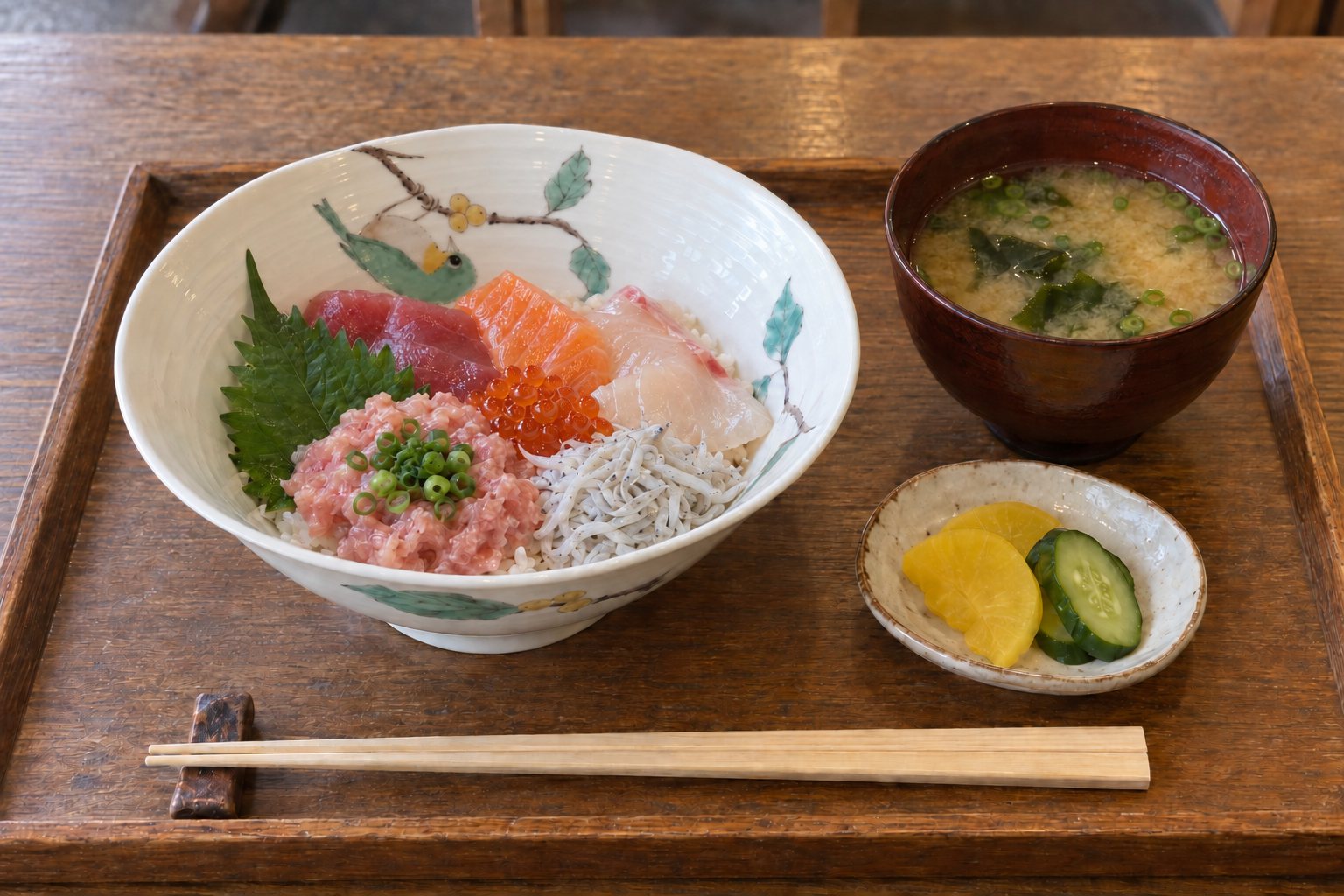
This is the one bird piece I actually have at home. It is 16.5 cm across and 5.6 cm tall, which is just the right size for a Japanese donburi, a bowl of rice with toppings on it.
It comes from the mejiro series by Seikou Kiln, a well-known Kutani kiln. Shops in Japan describe it as a popular series. The white porcelain has fine comb lines (kushime) carved into the surface, and the birds are painted with the delicate brushwork and bright colors that Kutani ware is known for.
The rim is thin, not thick. So the bowl feels light in my hand, and it is nice on the lips when I eat. The little mejiro birds (Japanese white-eyes) are so cute that they make me relax a bit every time I use it.
The rim is also not perfectly even. It curves a little differently in each place. I like that. It makes the bowl feel warm and relaxed, not stiff.
It is a bowl for every day, not only for special meals.
Kutani ware with birds
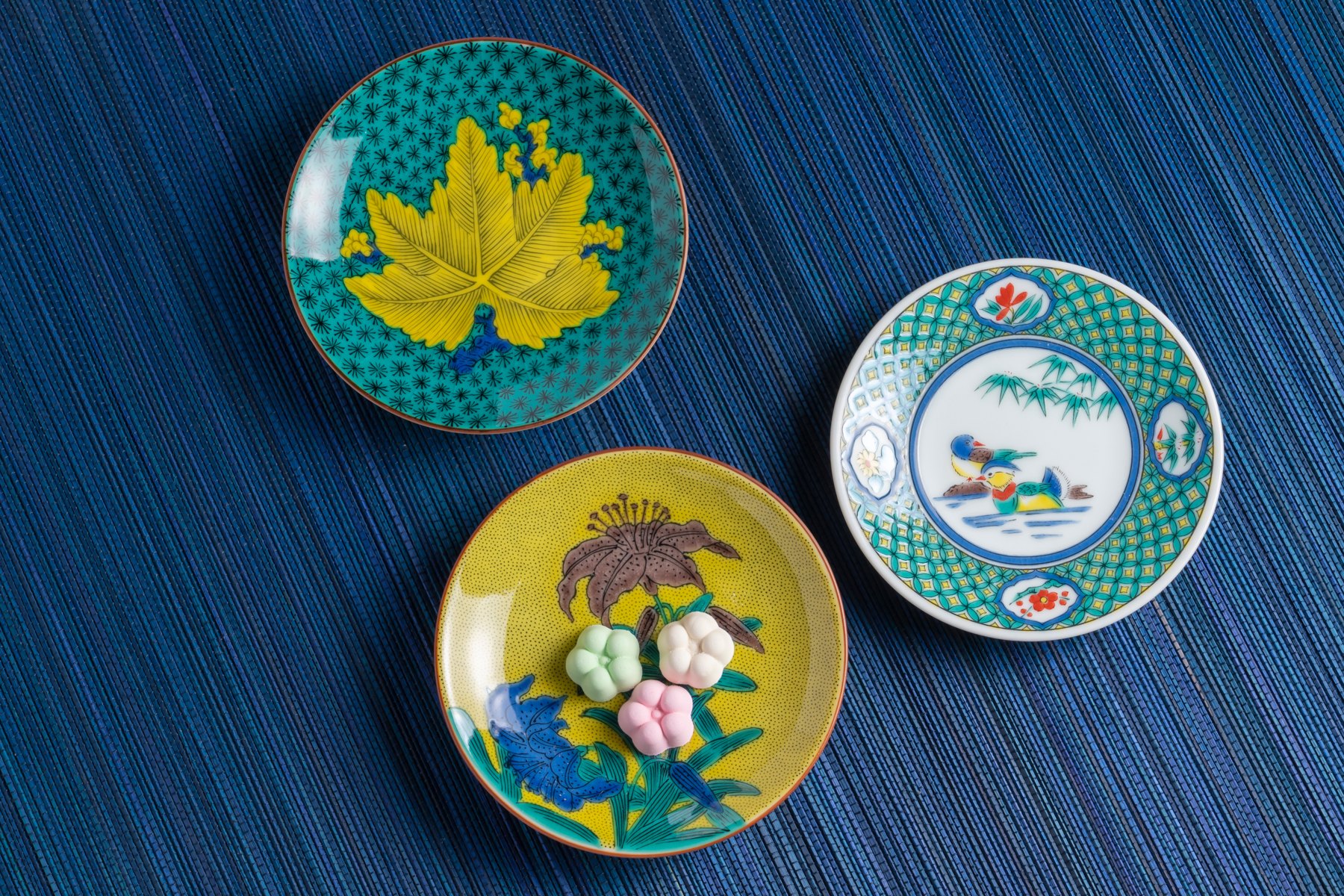
These are from Ishikawa, where Kutani ware comes from. The listings name the maker or brand and say they are made in Japan.
Set of 5 Small Dishes, Flowers and Birds (Hyakkaen)
Picked for a small first piece
Five little dishes, each with a different flower-and-bird design. Made by Kutaniyaki Sakai Hyakkaen in Nomi, Ishikawa. Good for soy sauce, pickles, or a few sweets.
- Size: 9.7 cm across, 2 cm tall (each)
- Made in Japan (Ishikawa)
- I haven't tried this one.
Pair of Rice Bowls, Camellia and Bird (Hyakkaen)
Picked for a couple, or a gift
A large bowl with camellia and a bird, and a smaller one with cherry blossoms. Same maker as above. The designs are decals fired onto the porcelain, not painted by hand.
- Size: 12 cm and 11.3 cm across, about 5 cm tall
- Made in Japan (Ishikawa)
- I haven't tried this one.
Nakamaru Kutani Mug, Sakura and Birds
Picked for everyday tea or coffee
A porcelain mug with birds and cherry blossoms, from the brand Nakamaru. Priced as an everyday piece, and it comes in a paper box for gifts.
- Size: 8.5 cm across, about 7.5 cm tall
- Material: porcelain. Made in Japan
- I haven't tried this one.
For tea time
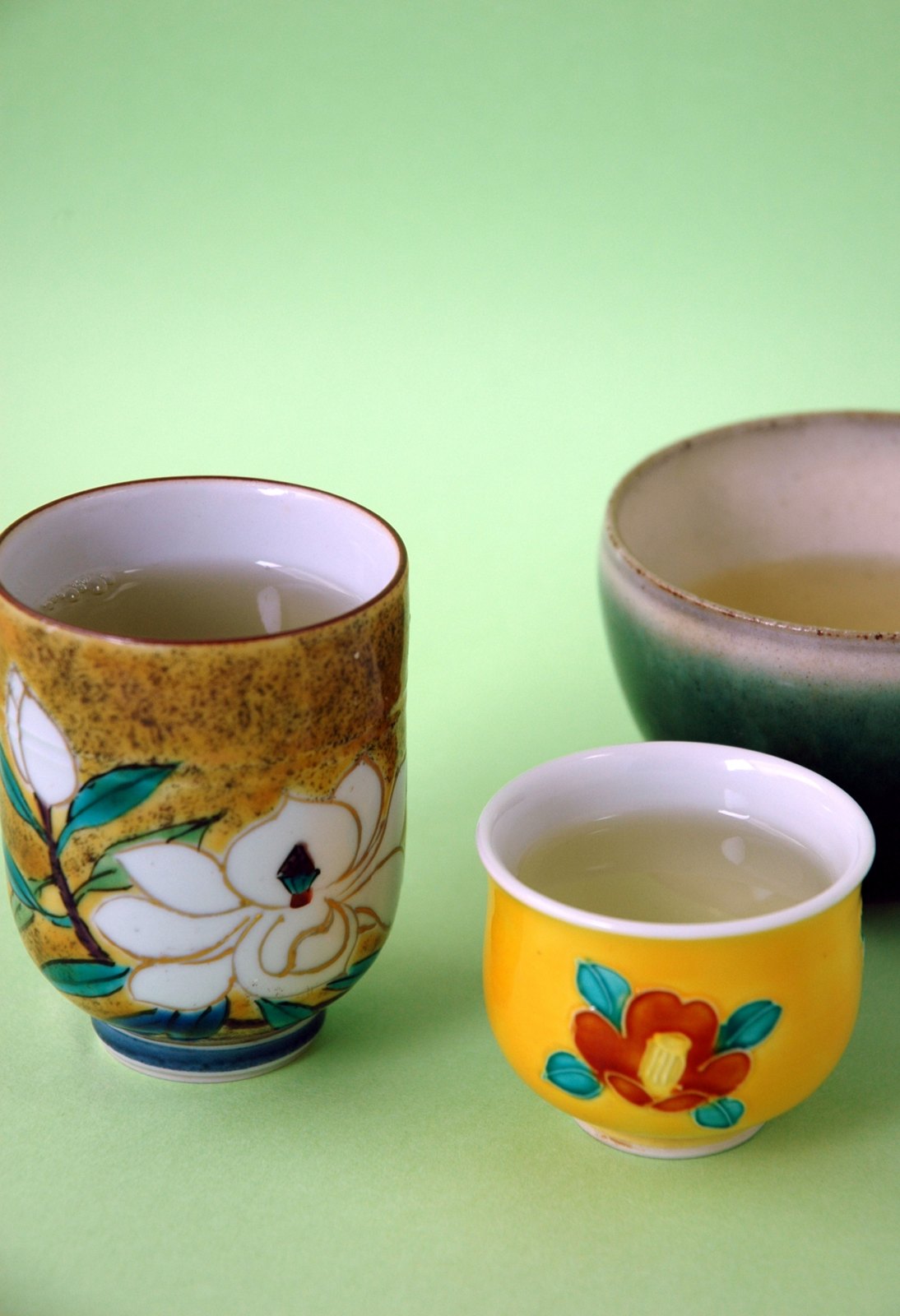
In Japan, a yunomi is an everyday teacup with no handle. Birds and flowers are a classic Kutani pattern for them.
Kutani Yunomi Teacup, Bird and Tree (Hyakkaen)
Picked for a small daily cup
A small teacup with a bird on a branch, from Hyakkaen in Nomi, Ishikawa.
- Made in Japan (Ishikawa)
- I haven't tried this one.
Kutani Teapot for One, Bird and Tree (Hyakkaen)
Picked for pairing with the cup above
A small kyusu teapot in the same bird-and-tree design. It holds 250 ml, about one or two cups.
- Capacity: 250 ml
- Made in Japan (Ishikawa)
- I haven't tried this one.
Nakamaru Kutani Teacup, White Camellia and Bird
Picked for a quieter, lighter look
White camellia and a small bird on porcelain. Same everyday line as the mug above, and it comes in a paper box for gifts.
- Size: 7.5 cm across, about 7.9 cm tall
- Material: porcelain. Made in Japan
- I haven't tried this one.
Cranes for the table
In Japan, the crane is a symbol of long life and celebration. A chopstick rest is a small way to bring one to the table.
Kutani Ware Chopstick Rest, Crane (CLAYMARK)
Picked for a bright accent
A porcelain rest with cranes on turquoise. It comes in several other designs too.
- Sold as 1 piece
- Listed as Kutani ware porcelain, made in Japan. The listing doesn't name the kiln.
- I haven't tried this one.
A bird to display: the owl
In Japan, the owl is a popular lucky charm. Its name, fukurou, can be read as "no hardship."
Kutani Owl Ornament, Green (Hyakkaen)
Picked for a shelf, or a gift
A round green owl in Kutani ware. Small enough for a shelf or a desk.
- Made in Japan (Ishikawa)
- I haven't tried this one.
How I choose
Size. Check the numbers, not only the photo. A 10 cm dish is for sauce or a few nuts. My 16.5 cm bowl holds a full rice bowl meal.
Weight. A thin rim makes a big difference. A bowl you pick up every day should feel light.
Pattern. Look at how much of the surface the bird takes. A small bird leaves room for the food.
Care. Check the product page for dishwasher and microwave notes before you buy.