
This page contains affiliate links to Amazon. If you buy through them, I may earn a small commission at no extra cost to you. More
Here's a small change that makes an everyday dinner feel a little more Japanese: give everyone at your table their own bowl. It's how meals work in Japanese homes, and it's easy to bring into yours. You can start with a single bowl that fits your hand.
Below I'll walk you through how we use our bowls in Japan: which bowl is for what, where it goes on the table, and how to pick one.
One bowl for each person
In a Japanese home, everyone has their own rice bowl. That isn't a figure of speech. Each person in the family has a bowl that is theirs, in the pattern and size they like.
Children use a child-sized bowl. If one parent eats more, that person may have a bigger one. The bowls don't need to match. It's normal for everyone at the table to use a different design.
And when we say "bowl," we mean several different things. Japanese homes use different bowls for rice, for soup, and for donburi, and each one has its own size and material.
Where the bowls go
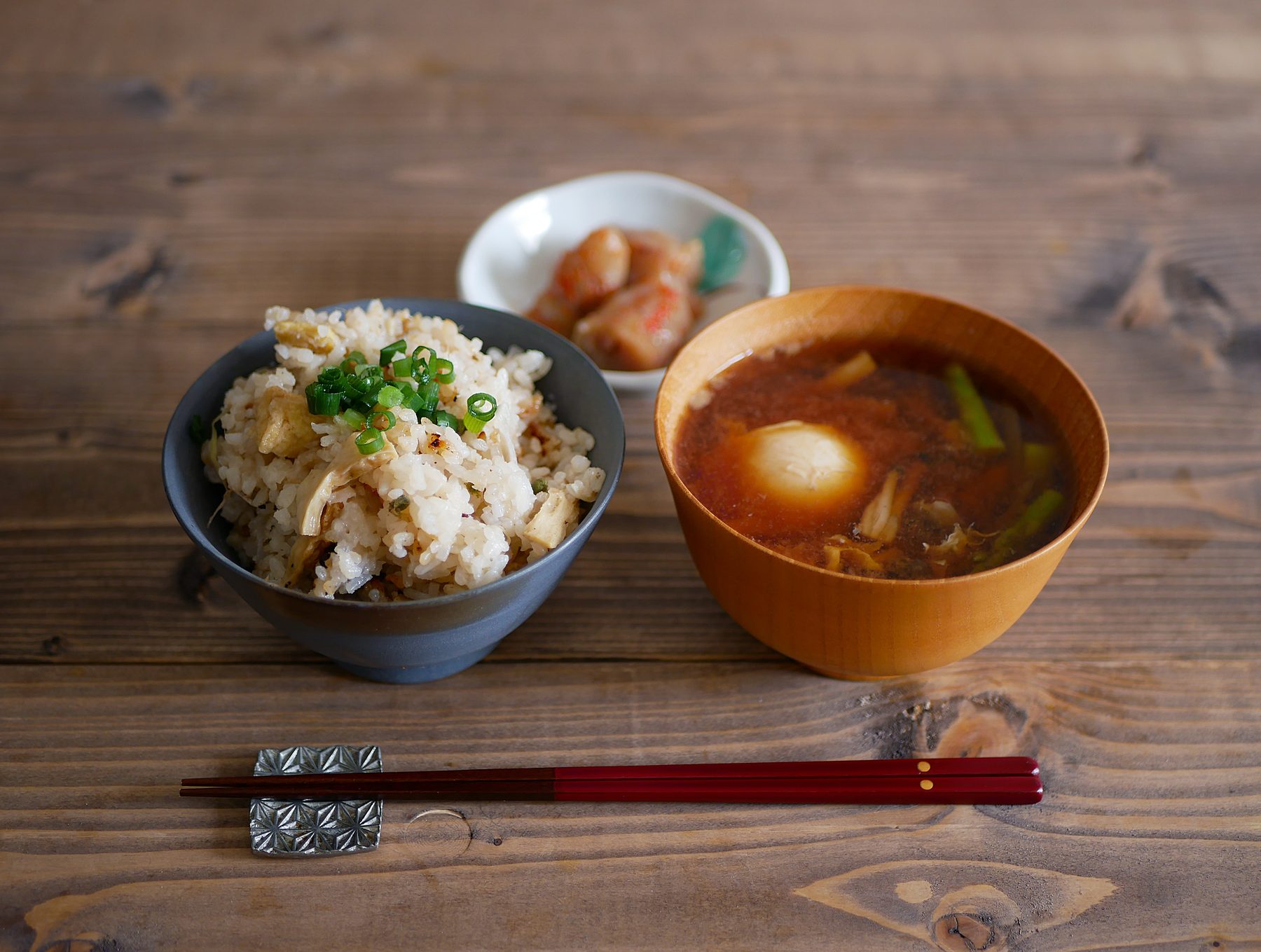
This is the easiest thing to copy at home tonight, even with the bowls you already have. The basic Japanese setting puts the rice bowl at the front left and the soup bowl at the front right. Chopsticks go across the front, pointing left, on a chopstick rest.
The three bowls at a glance
- Rice bowl (chawan): about 11–12.5 cm across. Porcelain or stoneware. You lift it in your left hand to eat.
- Soup bowl (shiru-wan): about 11–12 cm across. Wood or lacquer. You lift it and drink from it.
- Donburi: about 15–18 cm across. Thick porcelain or stoneware. It stays on the table.
Rice bowls: made to be held
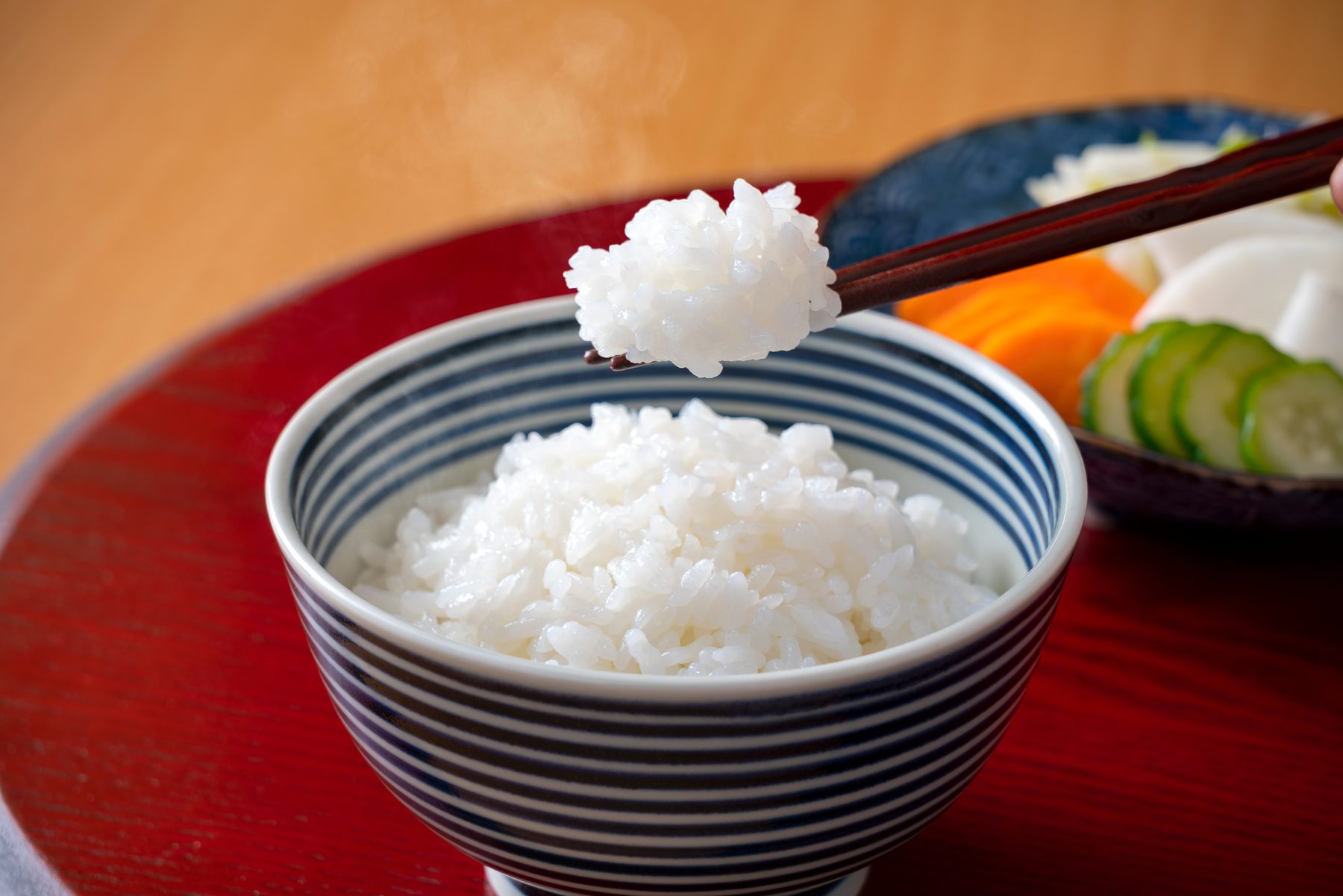
A rice bowl is made on the assumption that you will pick it up in your left hand while you eat. It should sit in your palm, held between your thumb and your fingers. That's why most are around 11–12.5 cm across.
The material changes how it feels:
- Porcelain (like Arita or Hasami ware) is thin and light, so your hand doesn't get tired. It is also strong and good for reheating rice in the microwave.
- Stoneware (like Mino or Mashiko ware) doesn't pass heat easily, so the bowl stays comfortable to hold even with rice straight from the cooker. It has a warmer, earthier feel.
Mino Ware Rice Bowls, Set of 5, Aie Gawari
Picked for a family set
Five stoneware bowls in deep blue, each with a slightly different design. Aie gawari means a set where every piece is a little different, which suits the one-bowl-per-person way Japanese families eat.
- Set of 5
- Listed as Mino ware, made in Gifu, Japan
- I haven't tried this one.
Mino Ware Chawan, 5 Patterns, Gift Box (MINO WARE JAPAN)
Picked for a gift
Five bowls, five patterns, in a gift box. Everyone can pick the one they like.
- Diameter: 5.0 in (about 12.7 cm)
- Listed as Mino ware (mino yaki)
- Comes in a gift box
- I haven't tried this one.
Retro Ceramic Bowls, Plum Blossom, Set of 6 (Ckhoid)
Picked for an easy everyday set
Six ceramic bowls with a hand-painted plum design. The listing doesn't say where it's made, but the size and shape are just what a rice bowl should be.
- Diameter: 4.5 in (about 11.4 cm)
- Set of 6
- Listed as dishwasher and microwave safe
- Made-in country: not stated
- I haven't tried this one.
Meoto chawan: a pair for a couple
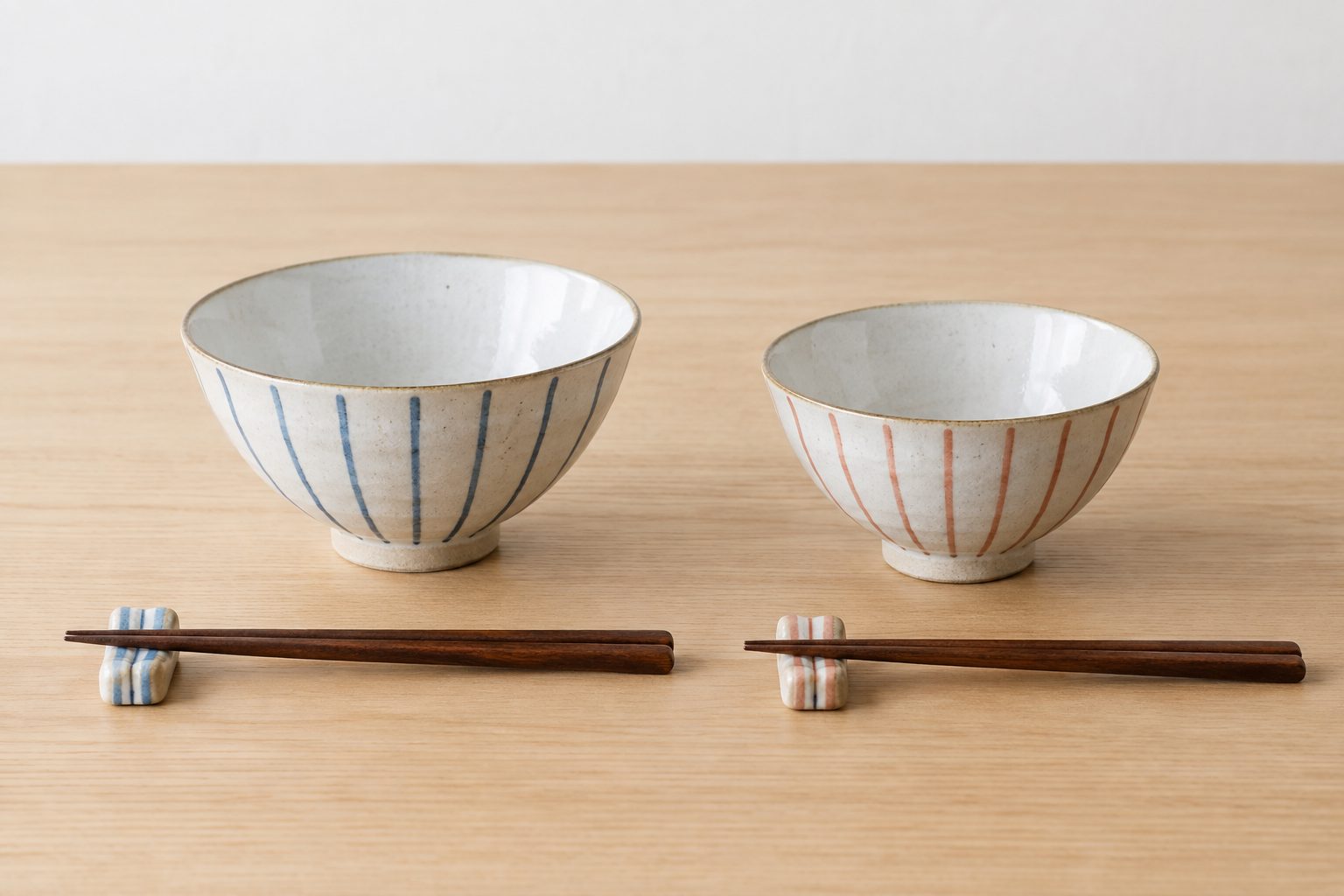
There's also a custom of giving a couple a matched pair of rice bowls, called meoto chawan. Usually one is a little bigger than the other. It's a classic wedding or anniversary gift.
Mino Ware Chawan, Ichimatsu Usagi (MINO WARE JAPAN)
Picked for a pair, as a gift
Rabbits on a checkered pattern. It's sold one bowl at a time, in a small and a medium size and in several colors. Choose one of each size, or two colors, and you have a pair. It comes boxed.
- Sizes: small (nakahira) and medium (oohira)
- Listed as made in Japan, dishwasher and microwave safe
- Comes in a box
- I haven't tried this one.
Soup bowls: wood, not ceramic
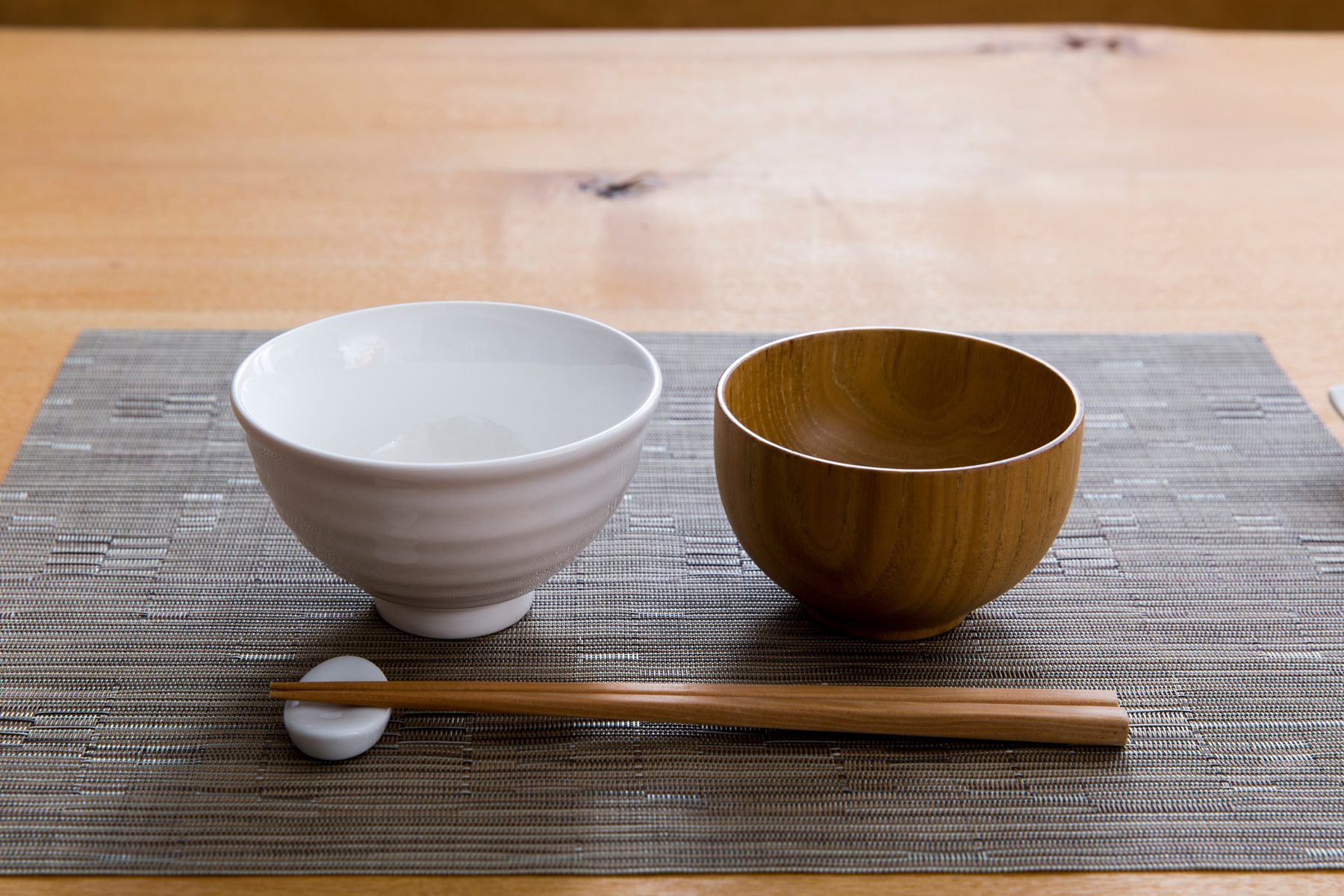
Miso soup is also eaten by lifting the bowl to your mouth. But unlike rice, it is a hot liquid. So Japanese soup bowls are about the same size as rice bowls, often with a rounder shape or a slightly flared rim that's easy to drink from.
Most are wood or lacquer. Wood barely passes heat, so the bowl stays safe to hold even with just-boiled soup in it. It keeps the soup hot, and it feels soft on your lips. A porcelain or glass bowl full of hot soup would be too hot to pick up, which is why you rarely see one on a Japanese table.
Yamanaka Lacquerware Soup Bowl (Mitani)
Picked for the classic look, made in Japan
Black outside, wood-grain brown inside. Yamanaka is a lacquerware town in Ishikawa. The listing says it is light and stands up to everyday use.
- Two sizes: 11 cm and 11.2 cm across
- Listed as made in Japan
- Listed as microwave and dishwasher safe
- I haven't tried this one.
Handmade Wood Bowls, Set of 4 (Cospring)
Picked for real wood
Solid wood bowls, handmade. The listing doesn't say where they're made, but this is exactly what a Japanese miso soup bowl looks and feels like.
- Diameter 4.5 in (about 11.4 cm), height 2.6 in
- Set of 4
- Made-in country: not stated
- I haven't tried this one.
Miso Soup Bowl with Lid (Kichvoe)
Picked for an everyday bowl that won't break
A light melamine bowl with a lid, in a Japanese style. Bowls like this are common in Japanese homes.
- Diameter 4.33 in (about 11 cm)
- Melamine, with a lid
- Made-in country: not stated
- I haven't tried this one.
Donburi: big, and it stays on the table
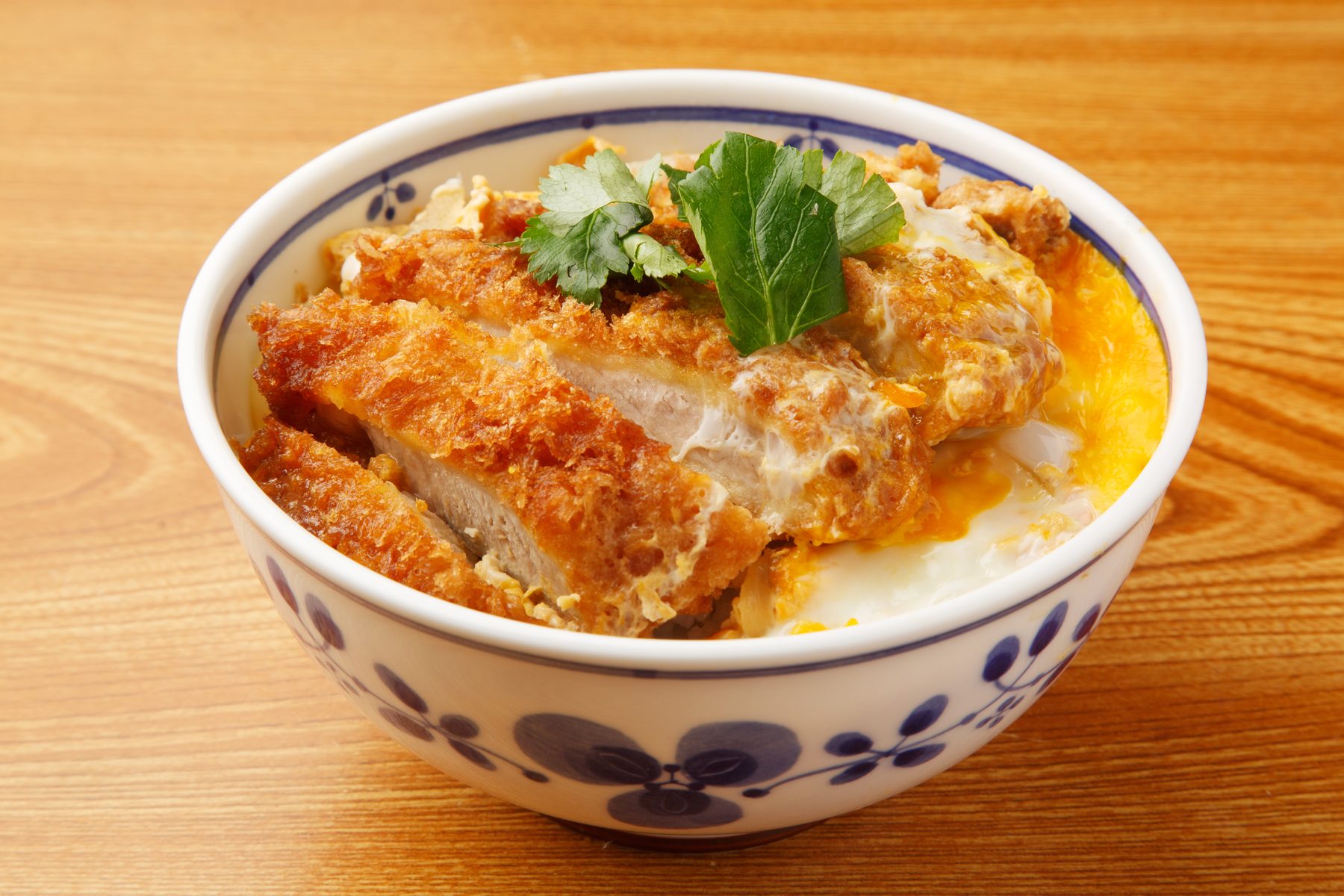
A donburi is rice and toppings in one bowl, like katsudon or oyakodon. It's heavy, so you leave it on the table and just rest your left hand on it. Donburi bowls are about 15–18 cm across and deep enough to hold the toppings and sauce. Most are thick porcelain or stoneware, so they sit steady. A multipurpose donburi works for noodle soups like ramen and udon too.
I use this · Kutani ware, Seikou Kiln, bowl with mejiro birds (SK-185)
My own donburi bowl is 16.5 cm across, and I use it for oyakodon and gyudon. Most donburi bowls are thick, but this one is thin and light, so it's easy to pick up. That's why I like it. You can read more about it in Birds in Japanese crafts.
Donburi Bowl with Lid, Plum Blossom (j-pure hitomi)
Picked for rice bowls with toppings
A donburi bowl with its own lid, navy plum blossoms on light grey. The lid keeps the food hot until you sit down.
- Diameter: 6.2 in (about 15.7 cm)
- Comes with a lid
- Listed as from Japan
- I haven't tried this one.
Deep Bowl, Tenmei (Hakusan Pottery)
Picked for noodle soups
A big, deep porcelain bowl from Hakusan, a well-known pottery company in Hasami, Nagasaki. Large enough for ramen or udon.
- 18 cm across, 9.5 cm tall
- Capacity: about 1,500 ml
- Porcelain, listed as Hasami ware, made in Japan
- I haven't tried this one.
Start with one bowl
Start with a rice bowl that fits your hand, and make it yours. Use it every day, set it on the left with your soup on the right, and pick it up while you eat. Pick it up before you decide. If it feels too big or too heavy, it will end up at the back of the cupboard.